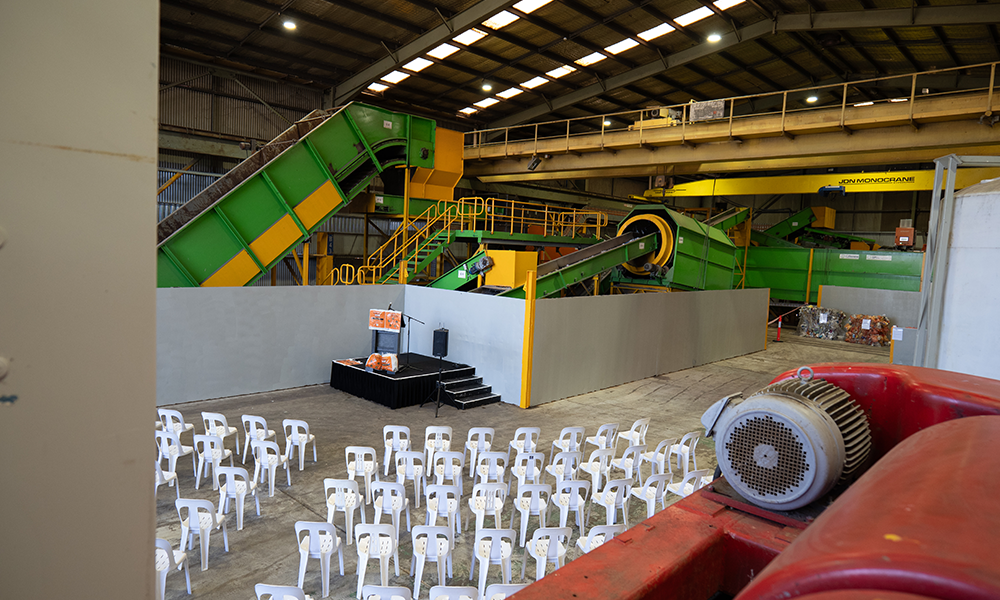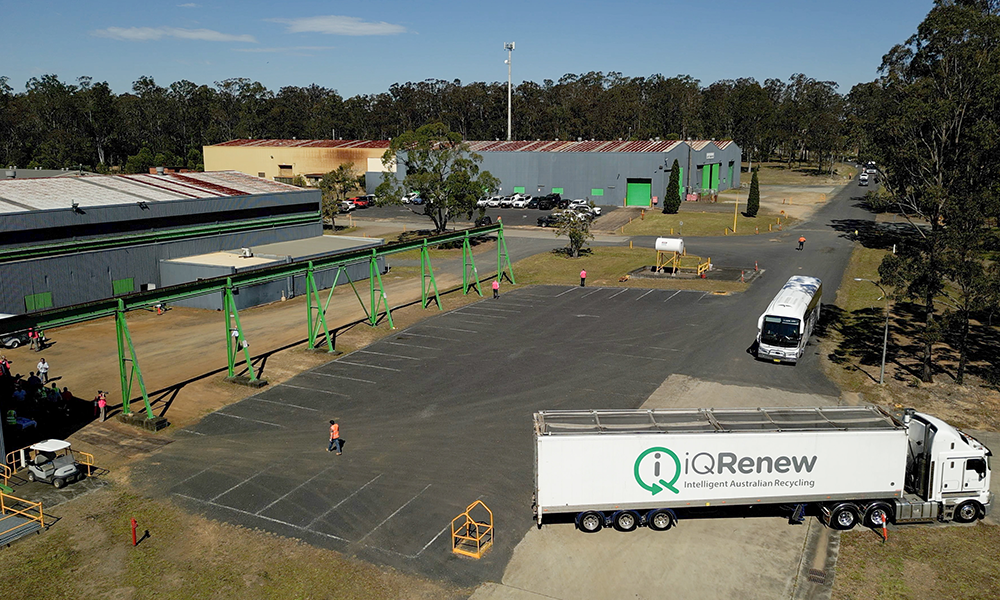
A new soft plastics recycling facility with the capacity to process more than double the annual volume collected from previous supermarket in-store programs, has just opened near Taree, New South Wales. This is a major step forward for recycling household soft plastics in Australia.
For the first time, Australia has the onshore infrastructure needed to support large-scale soft plastics recycling, closing a critical gap in the nation’s recycling system.
“This facility is the answer to the problem we've heard time and again — the ‘lack of infrastructure’ for soft plastics recycling. That problem is now solved,” said Danny Gallagher, CEO of iQRenew.
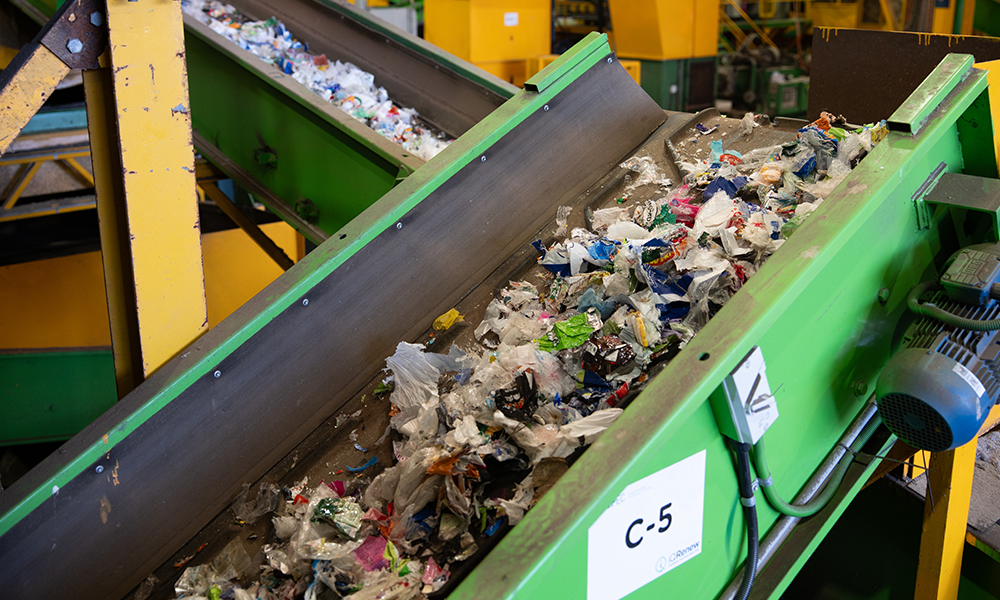
The new Soft Plastic Processed Engineered Commodity ‘SPEC’ facility can process thousands of tonnes of households soft plastics a year such as plastic bags, food wrappers and packaging. It’s the only facility of its kind in Australia, offering a new technological solution for how household soft plastics are handled and transformed into high-quality end products.
“Australians have been crying out for a solution to recycle their household soft plastics. With SPEC, we can finally meet that demand — and do it right here in Australia,” Mr Gallagher added.
The development of the SPEC facility has been made possible through the support of Woolworths and the Soft Plastic Taskforce, whose commitment to soft plastic recycling infrastructure has pulled an entire industry forward. “Woolworths’ support has been instrumental to this solution — this facility would not have been possible without their leadership and ongoing belief in local recycling innovation,” said Mr Gallagher.
Barry Cosier, Co-CEO of Soft Plastics Stewardship Australia said “This facility marks a turning point for soft plastics in Australia. It proves that with the right collaboration and commitment, we can deliver real, scalable recycling solutions onshore. There is now a genuine move toward a circular economy for soft plastics in Australia.”
Manufacturers are currently able to make a wide range of products using iQRenew’s material such as garbage bags, kitchen bins, erosion control grids, bottles, brick and grass pavers, concrete formwork, furniture, buckets, shopping baskets, point of sale stands and more. Importantly, based on successful offshore trials, it will also enable the future growth of chemical recycling in Australia, meaning that one day a discarded bread bag can be turned back into a bread bag.
“While we now have increased recycling capacity, we need the same amount of recycled products being purchased. Increased purchases of recycled products means increases in soft plastic collection points for community” Mr Cosier added.
This facility currently has the current capacity to process up to 14,000 tonnes each year, and will scale to 24,000 tonnes as the end market develops. This is also a win for regional Australia, delivering more than 20 new jobs and anchoring a national solution in a local community.
Key Facts:
* Australia’s first large-scale household soft plastics recycling facility of its kind
* Processes more than twice the annual volume previously collected in-store via the REDcycle program
* Australian household soft plastics are made into high-quality shred, flake and pellets that are being used to make a diverse range of products
* The facility has a diversion rate of 80% - it removes contamination and undesirable material such as chlorine
* The facility has already processed large volumes of the REDcycle legacy stockpile from New South Wales, Western Australia and Queensland.
* SPEC also receives material from kerbside programs such as Curby, some Councils and future return to store
* iQRenew uses the Curby Smart Recycling Platform (SRP) to scan and track every bag on its recycling journey enabling full traceability and building community confidence
* Supports 20+ regional jobs, predicted to increase as the facility expands
* Built through a strong collaboration with Woolworths and the Soft Plastic Taskforce.
With SPEC now operational, Australians can have confidence that soft plastics can be recycled effectively and locally — turning waste into new products, right here on Australian soil.